
Asylum and Immigration
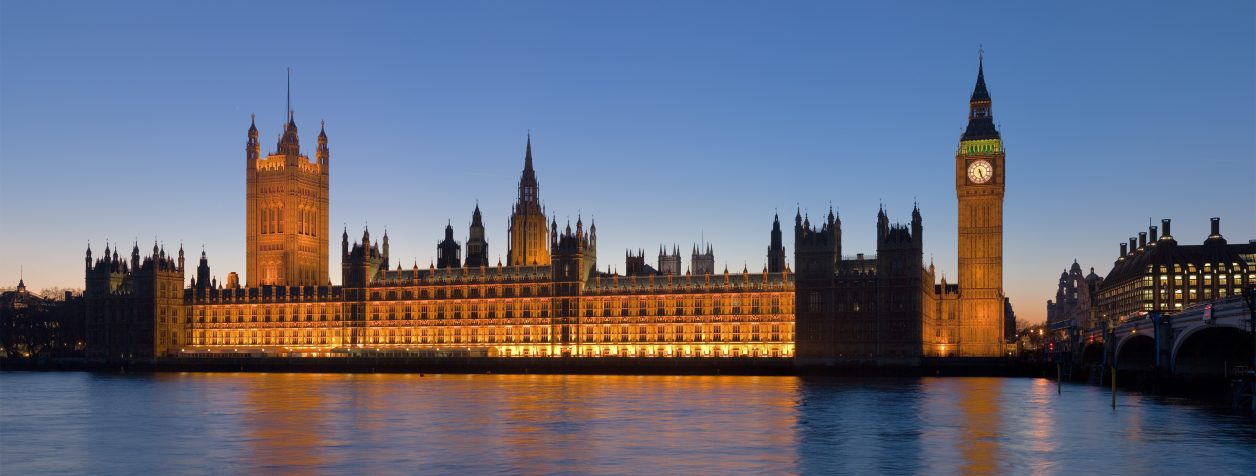
The government’s Asylum and Immigration Bill (2026) has entered committee stage and will report back to the House of Commons in November. The bill continues the government’s agenda of making life harder for refugees and migrants trying to build a life for themselves in the UK through measures curtailing family rights, forcing refugees to pay back the costs of essential housing and support provided while waiting for a decision on their claim, weakening the asylum appeals system and eroding modern slavery protections. Read more about how these changes and the Earned Settlement proposals will impact people’s lives, and how Catholics can respond, in our World Day of Migrants and Refugees resource.
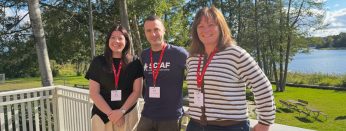
Our Defend Asylum campaign – launched with our friends at JRS UK and the SVP at pentecost – culminated with a hand in of a petition to Andy Burnham at Number 10 Downing Street, which you can read about on our website. The campaign called upon the government to change course after successive hostile immigration legislation, and instead to defend asylum and put dignity at the heart of the asylum system. Special thanks to everyone who supported the campaign by signing postcards and speaking in their parishes, and to those who joined us on the day.
It felt particularly timely amidst the protests which have been stirred up in Portsmouth and Dover, and the referendum held by Piddington in Oxfordshire over asylum accommodation.
The controversial ‘one-in-one-out’ scheme, through which people seeking asylum in the UK arriving via channel crossings are immediately detained and returned to France, is set to end in October, and hit the headlines this month because of the costs of the scheme. However, the Home Secretary and news media failed to acknowledge the disastrous impacts of the scheme on people’s lives, which have been repeatedly highlighted by CSAN member JRS UK and other groups supporting people affected.
The government announced that public inquiries will take place on both the expansion of Campsfield and Haslar Immigration Removal Centres (IRCs) following strong local opposition and public consultations.
During these inquiries, beginning on the 6th October (Camspfield IRC) and the 17th November (Haslar IRC) the Planning Inspector will hear evidence for and against the plans, including evidence about whether the Home Secretary has considered the impact on people’s health and human rights. Immigration detention is identified in Catholic Social Teaching as a practice that violates human dignity, and CSAN will be supporting the Week Of Solidarity to End Immigration Detention from 19 – 25 October.
Contact fiona.ranford@csan.org.uk for more information.
Assisted Dying
The vote against the Terminally Ill Adults (End of Life) Bill was a significant moment for Catholics this month, with 286 votes against and 270 for.The Bill proposed the legalisation of assisted dying for those with a life expectancy of less than six months, a motion which was first brought before UK Parliament in 2024. Although many of us will be relieved at this outcome which will stop the Bill from progressing into law, it is important to make space for compassion, understanding and nuance in the discourse.
You can read our full statement here, which has been shared by Catholic media including the Catholic Bishops’ Conference and Independent Catholic News.
Dignity of Work
The media is being forced to consider the threat that Artificial Intelligence could pose to humanity following resignations at Anthropic and several companies calling for agentic AI’s development to slow down. These themes have been further reflected upon in in our Magnifica Humanitas network reading group.
The Institute for Public Policy Research released a report pointing to the geographic inequalities which impact young people seeking their first job, and arguing that the only way to fix the youth employment crisis is for a united, government-funded strategy.
The Joint Committee on Human Rights called for a stringent AI Bill, reflecting wider conversations about AI governance and how the UK could become an AI leader through better regulation and protection of human rights.
Party Conference Round-Up
As we are in the midst of party conference season, we’ve put together a special feature for the next couple of newsletters, highlighting some of the key events and policies emerging from each party, in relation to our areas of work. This segment will be continued next month after the Labour, Conservative, Plaid Cymru and Green conferences! We pray that the conferences might be an opportunity where voices working towards peace and justice may be heard.
Reform UK (3-5 September)
Following the Clacton by-election and a summer of scandals in the news, Farage hoped to strike a ‘very serious tone’ at his party conference. On social media, events were somewhat overshadowed by the release of a Channel 4 News documentary exposing the party’s plans to allegedly obtain illegal foreign donations.
On immigration, Reform continued their hardline stance, building on plans to deport thousands of asylum seekers. Nigel Farage’s speech included a commitment to ‘stop the boats’ crossing the Channel in the first 100 days in office.
On poverty, Reform continued to develop their neoliberal line on economics following their declaration that they would cut welfare by £50 billion in August. They described plans to scrap inheritance tax, build 50,000 affordable houses for young British workers and cut household energy bills – all of which would be funded by sacrificing welfare, healthcare and net-zero costs.
- The need for more employment opportunities and the dignity of work was acknowledged, with a focus on British workers. This would be through a combination of creating 600,000 apprenticeship opportunities per year and motivating unemployed people by withdrawing benefits.
- On work, Reform proposed to create 600,000 apprenticeship opportunities per year, while removing safety nets from those who are unemployed, if they do not complete community work.
Liberal Democrats (19-22 September)
- The Lib Dems gathered in Brighton towards the end of the month to start positioning themselves for the next general election. Recent polling has suggested that the party’s values are not well-known despite its fast growth since the 2024 election.
- Sir Ed Davey’s speech took a stand against the rise of ‘nasty populism’, targeting Reform UK and Elon Musk.
- The cost of living crisis was emphasised in commitments to cutting taxes, calling on the government to cut fuel duty and proposed a £2 billion package to pave the way to longer-lasting cuts. Commentators have speculated this is an attempt to attract conservative voters.
In October, look out for:
- The Autumn Budget (28 October) – our response to Chancellor John Healey’s announcements and how they might impact the most vulnerable
- More Party conference updates
With thanks to Erica, our Policy and Public Affairs Officer, and Fiona, our Senior Migration Officer for the preparation of this report.