

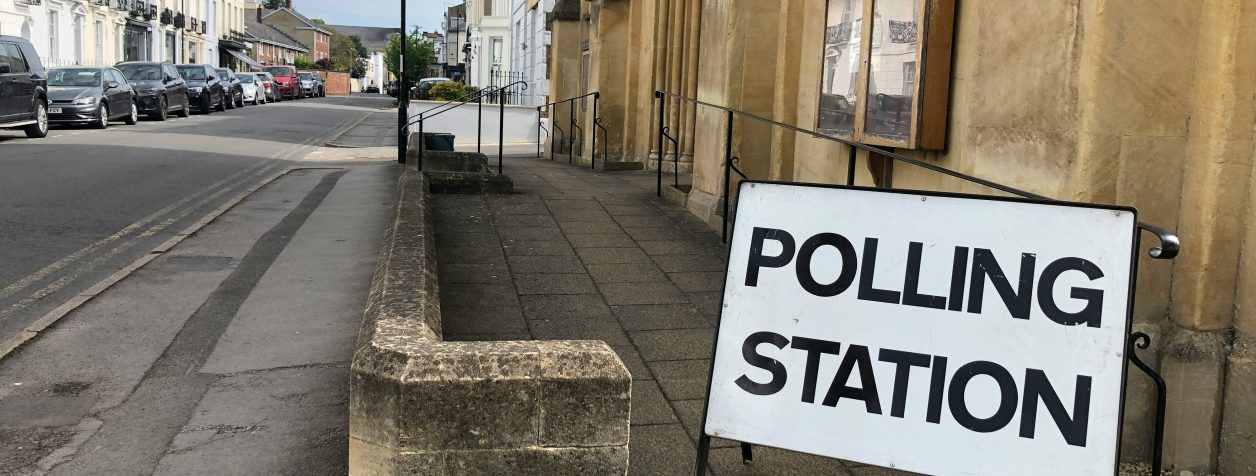
Part one: Catholic teaching on engagement in the public sphere
As Catholics, participation in public life, especially voting,is not optional. It flows from baptism, the dignity of the human person, and the duty to serve the common good. The aim is not partisan success, but moral witness through well-formed consciences.
Why government matters
The Church’s concern with government rests on two principles: human dignity and the common good. Civil authority exists to create the conditions for people to flourish. Government decisions shape real life—protecting the vulnerable, upholding dignity, and promoting justice and peace. Working for justice therefore includes political participation, not just private charity.
Why Catholics should engage
Political responsibility belongs especially to the laity. Participation in public life is a moral duty rooted in baptism and human dignity, and includes practical involvement such as public service, advocacy, and engagement with political processes. Politics, though imperfect, can be an expression of charity when directed toward the common good.
Conscience, not partisanship
Catholics are called to engage with a well-formed conscience, guided by principles like human dignity, the common good, and care for the vulnerable—not by party allegiance. The Church forms conscience but does not dictate political choices.
Why voting matters
Voting is a key way to serve the common good, translating moral convictions into public decisions. It is central, but not the only form of participation; all people retain the right and responsibility to contribute to public life.
How Catholics should approach voting
Catholics should evaluate candidates and policies in light of moral principles—especially on human dignity, justice, and peace, while considering character and integrity. Political choices should be guided by principle, not party identity or self-interest.
Forms of engagement
The Church supports a wide range of involvement: public office, political advocacy, communication with leaders, and participation in organisations that promote the common good. Building a just society requires the active participation of all.
Links:
Address of the Holy Father John Paul II to the Presidents of the Parliaments of the European Union
POPE FRANCIS GENERAL AUDIENCE, San Damaso courtyard, Wednesday 9 September 2020
Part Two: Questions to ask your candidates
As the 2026 England local elections approach and the Welsh Senedd elections take place, engaging directly with candidates is one of the most effective ways to ensure the issues that matter to us are heard. Whether you meet candidates at local hustings or when they come knocking on your door, these moments are valuable opportunities to ask clear, informed questions and understand where they stand.
We’ve prepared a set of key questions to help guide those conversations, covering the issues that affect the common good and the most vulnerable. By asking them, you not only gain insight into candidates’ priorities, but also signal that these concerns deserve attention and action.
Poverty
- How will you ensure that local policy prioritises those in greatest need, particularly families affected by rising living costs and child poverty?
- What specific measures would you support to reduce reliance on food banks and ensure people have sufficient income to live with dignity?
- How will you work with local charities, churches, and community groups to tackle poverty in a way that respects local knowledge (subsidiarity)?
- Do you support changes to national policies, such as welfare restrictions, that are driving poverty locally, and how would you advocate for these changes?
- How will you measure success in reducing poverty beyond economic growth, for example in terms of wellbeing, social inclusion, and dignity?
Housing and Homelessness
- What is your plan to ensure access to safe, secure, and genuinely affordable housing for all residents?
- How will you address the root causes of homelessness, rather than only responding to people once they are already on the streets?
- What role do you see for the local authority in regulating private renting to ensure fairness and dignity for tenants?
- How will you support community-led housing or partnerships with housing associations and faith groups?
- Do you believe housing should be treated primarily as a market commodity or as a basic human need—and how will that shape your decisions?
Dignity of Work
- How will you promote secure, fairly paid employment in the local area, particularly for young people and those in insecure work?
- What is your position on the Living Wage, and will you advocate for it among local employers and contractors?
- How will you support workers’ rights, including protections for those in the gig economy or precarious employment?
- What steps will you take to ensure that work is compatible with family life, including access to flexible working and childcare?
- How will you involve workers themselves in shaping local economic decisions (participation)?
Dignity of Life
- How will you ensure that local services protect and uphold the dignity of every person, especially the elderly, disabled, and those with complex needs?
- What is your approach to funding and improving social care so that no one is left without compassionate support?
- How will you support mental health services in a way that recognises the full dignity and worth of each person?
- In public health decisions, how will you balance efficiency with the moral imperative to protect the most vulnerable?
- How will you work with community and faith-based organisations that provide vital care and support to those at the margins?
Migrants and refugees
- How will you ensure that those who have just arrived in the UK seeking asylum are treated with dignity and feel welcomed while they are housed in temporary accommodation?
- How will you address the barriers that refugees and people seeking asylum face in accessing essential services so that they can live with dignity, including language barriers, financial barriers and access to digital services?
- How will you support those granted refugee status to move into mainstream housing, employment, study and social security so that they can begin rebuilding their lives in communities?
- How will you include asylum seekers and refugees in the design of local services so that they do not face barriers to accessing the services that they need to live dignified life?
- How will you make sure that people working on restricted visas such as care work and agricultural visas do not face exploitation at work due to the nature of their visa?
Care for our Common Home
- What will you do to help families keep warm and protect them from the impacts of fuel poverty on health through sustainable solutions such as better insulation?
- What are your priorities for improving green public transport to reduce reliance on fossil fuels that are damaging to health and have impacts on our climate?
- How will you help protect communities from environmental harms caused by private companies seeking to cut their costs and maximise profit, such as sewage pollution and dirty air?
- How will you ensure that all people have access to green spaces that are essential to mental and physical wellbeing?
- How will you protect communities from the impacts of climate change, including flooding and extreme weather, and advocate for a transition away from fossil fuels?
Part Three: Resources
The Scottish Catholic Bishops have put together a number of great resources on the 2026 Election. Whilst at CSAN we only cover England and Wales, this is a fantastic set of resources which is relevant to all Local Elections this year.
Caritas Cardiff-Menevia has produced a guide – The Senedd Election 2026: Every Vote Counts – to help explain the new electoral system, who can vote, and how to make an informed choice. CAFOD are also producing resources on the election. Information will be shared through the Caritas Cardiff-Menevia Facebook page and CAFOD South Wales social media. They urge every Catholic in their Diocese to read the guide, reflect carefully, and use their vote.