
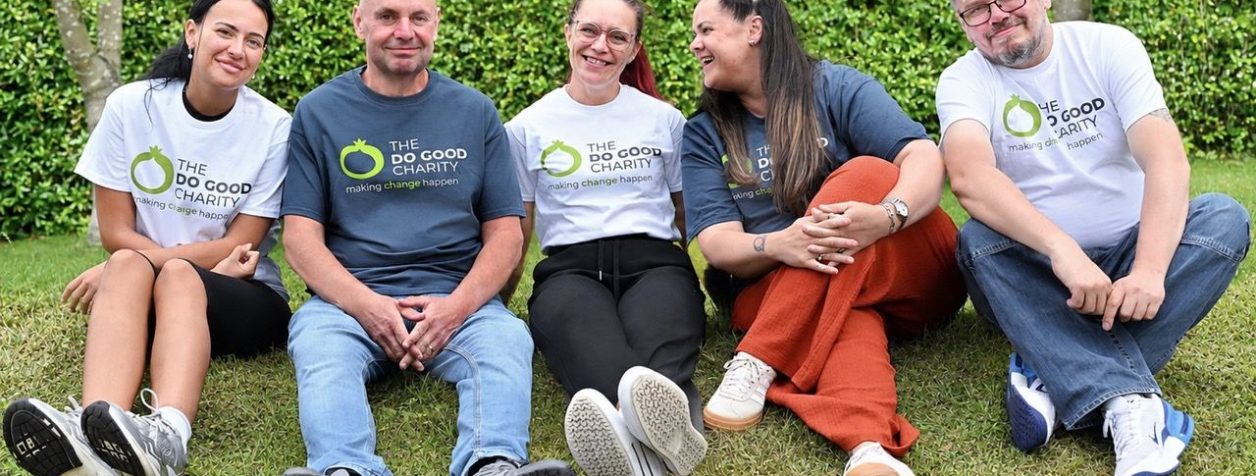
From its origins in sixteenth-century Granada to its work supporting some of the most marginalised people in society today, the Do Good Charity has a remarkable story to tell. Following its recent change of name from SJOG, CSAN’s David Byrne spoke with Chief Executive Paul Bott about the charity’s history, its distinctive commitment to hospitality, its Catholic identity, and why collaboration and a renewed focus on impact are essential to the future of the charitable sector.
David Byrne: Paul, thanks very much for agreeing to do this. I think, from our point of view, this is an opportunity to explain to the network what this name change is all about, but also an opportunity for you to share a little more broadly about the work of the Do Good Charity and the thinking behind it. Maybe a good place to start would be with St John of God himself. Tell us a little bit about who he was and his history.
Paul Bott: Okay, so St John of God was a Portuguese man. He was a soldier, he was a shepherd, he led an interesting life. When he came to Granada and set himself up as a bookseller, near one of the main entrances into Granada in southern Spain. One day he was listening to a sermon by the popular preacher John of Ávila and had a spiritual revelation, which some people took to be a mental health breakdown. So he was taken from the square and locked up in the Royal Hospital and treated in the way that mental health was treated at the time, which was effectively to chain him to a wall and try to beat the devils out of him.
When he came out of hospital, he was homeless and the Venegas family, one of the wealthiest families in Granada, invited him to stay in their porch,. And when we’re talking about a porch, we’re not talking about a domestic porch. We’re talking about a porch that you could drive a coach and horses into. John accepted, and John, being a friendly sort, said to all of his friends and all of the people in need, “Come and stay with me, you know, because I’ve got space!” And I love the idea of one of the richest families in Granada turning up every day and trying to get upstairs into their apartments, but having to go through this collection of some of the poorest people in Spain!
So, I think probably because it became an inconvenience, they and some wealthy friends got together and helped John to create a hospital. That was his first hospital, not far from the Alhambra and it opened in 1539. Then he created a second hospital because his first hospital was too small and was seen to be doing good work. His approach was one of hospitality, of going to people and saying, “Come in, you’re most welcome. How can I help?”
To fund the hospital he would go around the city begging and shouting out to the people of Granada, “Do good for yourselves by doing good for others.” So there’s a very strong link with Do Good right from those early days.
He had a group of people working with him at the time because he needed people to. We say every visionary needs a good accountant! He had somebody who could help him balance the books and also find ways of making sure that if John went to speak to a donor in Seville, the money actually arrived back in Granada and wasn’t given away to the people he met along the way who were in need! But he was known for effectively trying to serve everybody. That’s the man he was.
John outgrew his second hospital, and had started to build his third, bigger hospital, when he was struck by misfortune.
One day whilst he and others were collecting wood for the hospital from the river in Granada, a boy fell in. John jumped in to save him from drowning, he failed. The boy drowned and John got pneumonia and died. This was 1550 and his legacy all stems from the work done from the time of his revelation to the time of his death, just eleven years.
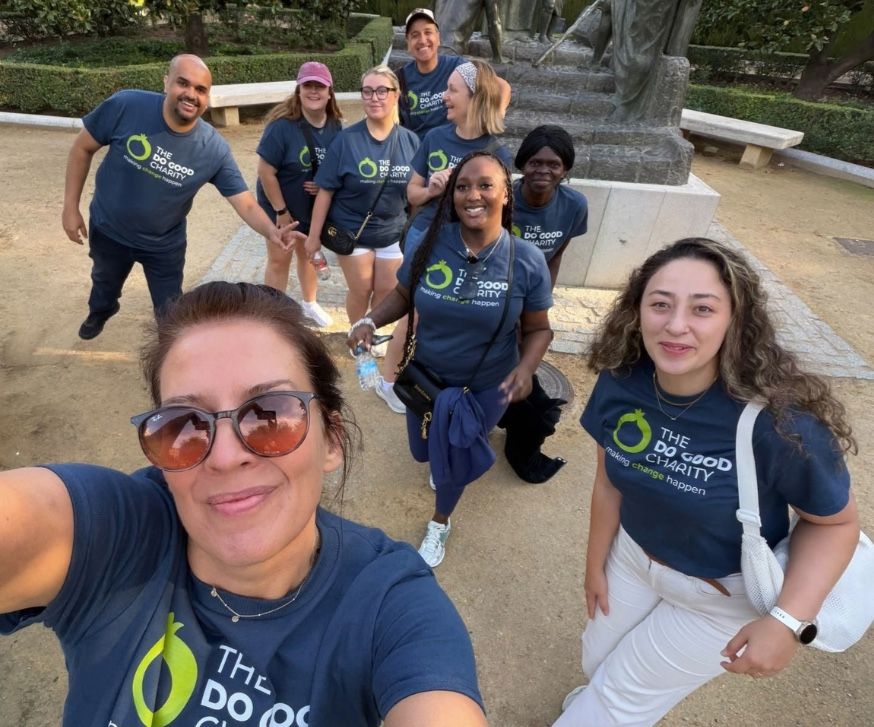
After his death, his followers added hospitals in and around Spain, and that spread across the world. And 450 years later, we’re in 54 countries. We have 70,000 colleagues and 35,000 volunteers, reaching the lives of eight million people every year.
David: Wow. That’s an extraordinary legacy.
Paul: Yeah. In the UK, the brothers arrived from France in 1880 and started a hospital in a Scorton in North Yorkshire for people who were described in the language of the time as ‘sick, cripples and incurables’. That grew and became a general hospital. Surgery was supported there, and then the brothers grew the services around the country. Over the next hundred or so years, they ended up with three hospitals, including Scorton, Rockliffe Hall near Darlington, which is now a luxury hotel, and Barvin Park in Hertfordshire, as well as lots of other things.
Then, in the 1990s, and the call for care in the community came, they read the signs of the times. The institutions were closed and they opened up lots of community-based services. And that’s pretty much where we are today, with lots of community-based services around the country.
We have four main areas of work. We still work with disabled people. We also work with autistic people with complex support needs. And in terms of that work, a commissioner described it as, “You don’t work with the 1% most difficult people. You work with the 1% of the 1%.” So when we have colleagues supporting people in the community, they may have four members of staff supporting an individual to make sure that they’re safe and that other people are safe.
We also support a number of religious orders. We run care homes on behalf of other religious orders, so we’re there to support other people in supporting older sisters and brothers. And then the fourth part of our work is around modern-day slavery. We’re one of the providers of safe houses and outreach services to people who’ve been trafficked or subjected to modern-day slavery, which is funded through the Home Office. We’ve been doing that piece of work since 2019, and we’ve supported over 10,000 people during that time. And then we have individual projects like Here to Help, our suicide prevention for autistic people, which all fits into our work and respect for life.
David: That’s really wonderful. I didn’t realise the breadth of the work that you do.
Paul: Yes, and that’s just in this country, where we have around 570 colleagues. That stretches from the south coast of England all the way up to Glasgow and Edinburgh. When we were working with CSAN on the Homes for Ukraine project, we stretched from the Orkneys to the Isle of Wight and from Essex to Newry. So properly working across the four nations of the UK.
Hospitality at the heart of the mission
David: Amazing. I’m curious about something you mentioned there quite a bit, which is hospitality. Tell me a little more about that as a core value of the Do Good Charity. What does it mean to you?
Paul: Hospitality is really… I mean, one of the names we considered when we were changing our trading name was Hospitality UK. The problem is that in the UK, if you talk to people about hospitality, they’re thinking bars and hotels and clubs and what have you, which is definitely not what we’re about!
Hospitality is all about belonging, about helping people feel that they belong, and about extending a welcome. Brother Killian used to say that the first act of hospitality is a smile. It comes back to that really simple phrase: “Come on in. Welcome. Come on in. How can we help?” That’s what hospitality is. It’s extending that welcome and helping people feel like they belong.
David: It’s really powerful. So you obviously didn’t settle on that name, for one of the reasons you’ve outlined. What inspired the name change? Was there a particular spark that led to the beginning of that process? Because I know it wasn’t a quick process either. There was a lot of discernment, and different options considered.
Paul: Right. There was a lot of discernment. We considered over 90 names, and we had over 200 conversations with colleagues across the organisation. We didn’t rush it.
David: Speak about that specifically. Why did you take that length of time and go through that process, rather than, you know, hiring some branding consultant or whatever? Why was that so important?
Paul: I think we made the first move back in 2018. I came into the organisation in 2018, at a point when we needed to make some significant changes. Whilst the brothers had done really good work over many years, the organisation had been through a difficult period. So we came in and turned it around from there.
The reason that we changed from trading as St John of God Hospital Services to SJOG, and changed the brand at that point, was because we wanted to show a change. That was really targeted internally at our colleagues, to show that there had been a change in the organisation, that we had recovered our ambition and we were going to do things differently. And we’ve built up to the size we are now, which is about twice the size we were when we took over.
This change to the Do Good Charity is because I think we’re in another changing time. Over the last eight years, we’ve spent a lot of time getting our services to be really good. For the past five years, all of our services have been rated by CQC as good or outstanding, overall and in every area. That’s a depth of quality that you don’t find in many organisations for such a long period of time. So, we spent a lot of time focusing on the way we deliver the services that we deliver, making sure that our charism sat at the very heart of what we do, and making sure our colleagues understood that. We have a whole series of training and ongoing formation that runs in the organisation to support this.
At this point in time, we’re changing, moving to a position where, one, we’re really focused on impact, and two, that impact isn’t necessarily being delivered by us. The change is us being better at working in partnership with other organisations, and about supporting other organisations so that they can deliver more demonstrable impact. Because it’s fine saying, “Yes, we do this, and we do this, and we do this.” But I’ve had conversations with a number of organisations where I say, “But how good are you at doing those things?” And they say, “Oh yeah, we’re really good.” And you say, “But how do you know?” And they say, “Well, because we are!” And because we are isn’t a good enough answer.
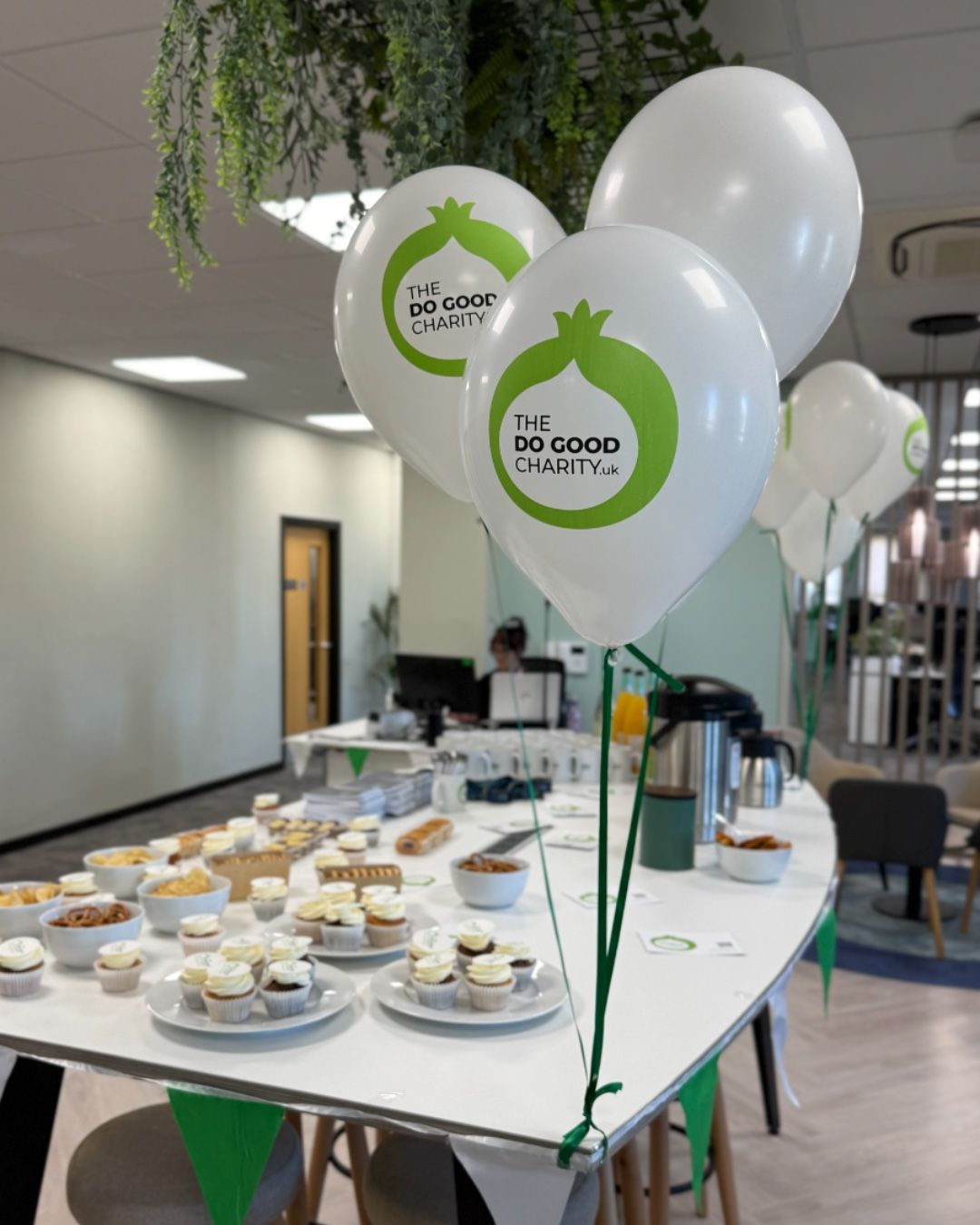
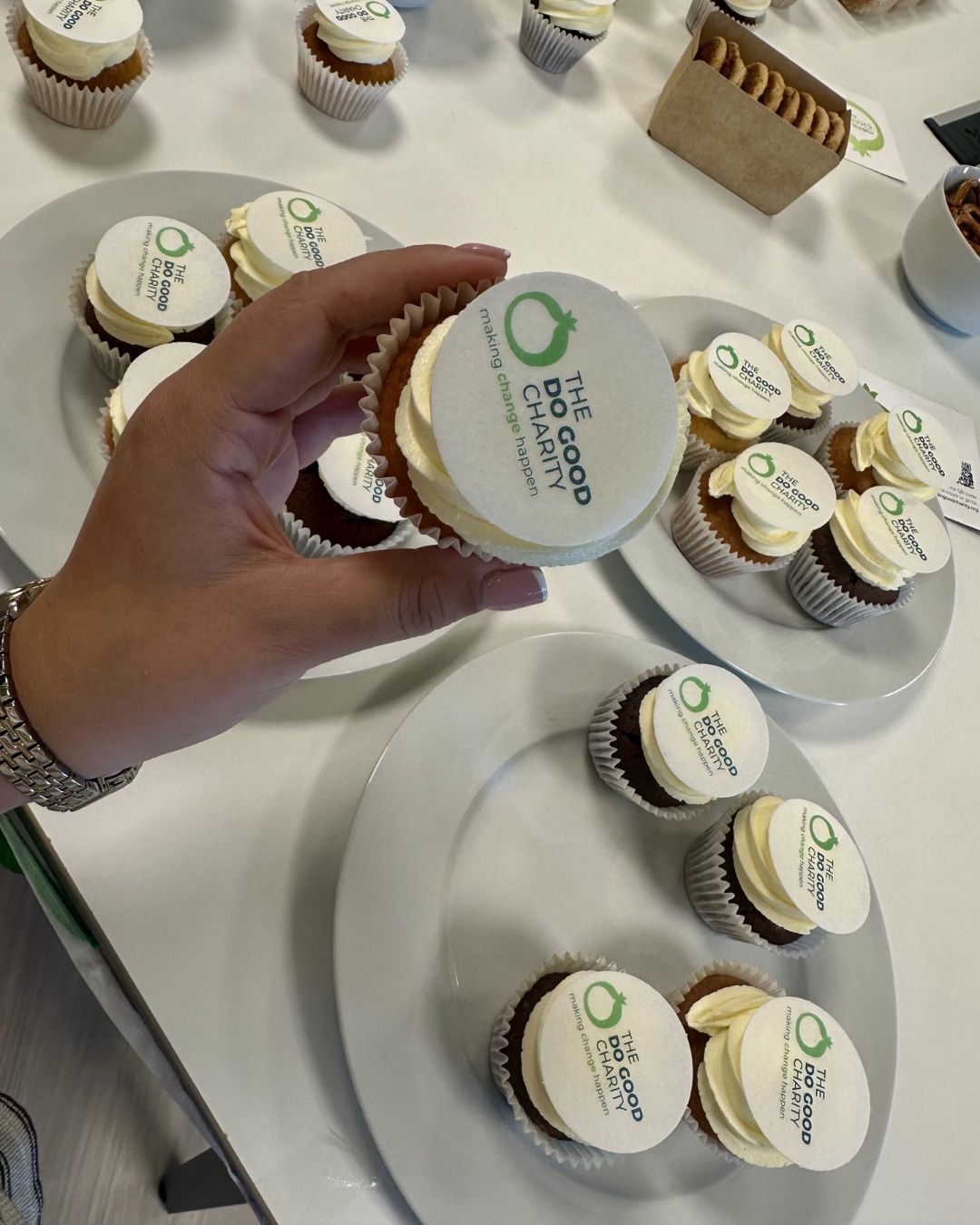
So the reason why we’ve done this now is because we have a new strategy that’s focused on that impact piece. The other bit around it is that the Do Good Charity more closely explains what we do than SJOG. SJOG doesn’t mean anything by itself, those four letters. The phrase Do Good captures what we do. In plain English, it’s a statement of what we do, but it’s also an invitation: Do good! In terms of working with other people, it’s easier for people to understand, it’s easier to remember, and it gives us a clearer way to talk about who we are and why we exist. The intention isn’t to become a different organisation or to leave our heritage behind. It’s just to express our existing mission more clearly and in a more meaningful manner.
I don’t know if I’ve answered the question. I may have answered the question I wanted to answer rather than the question you asked me!
David: That’s okay!
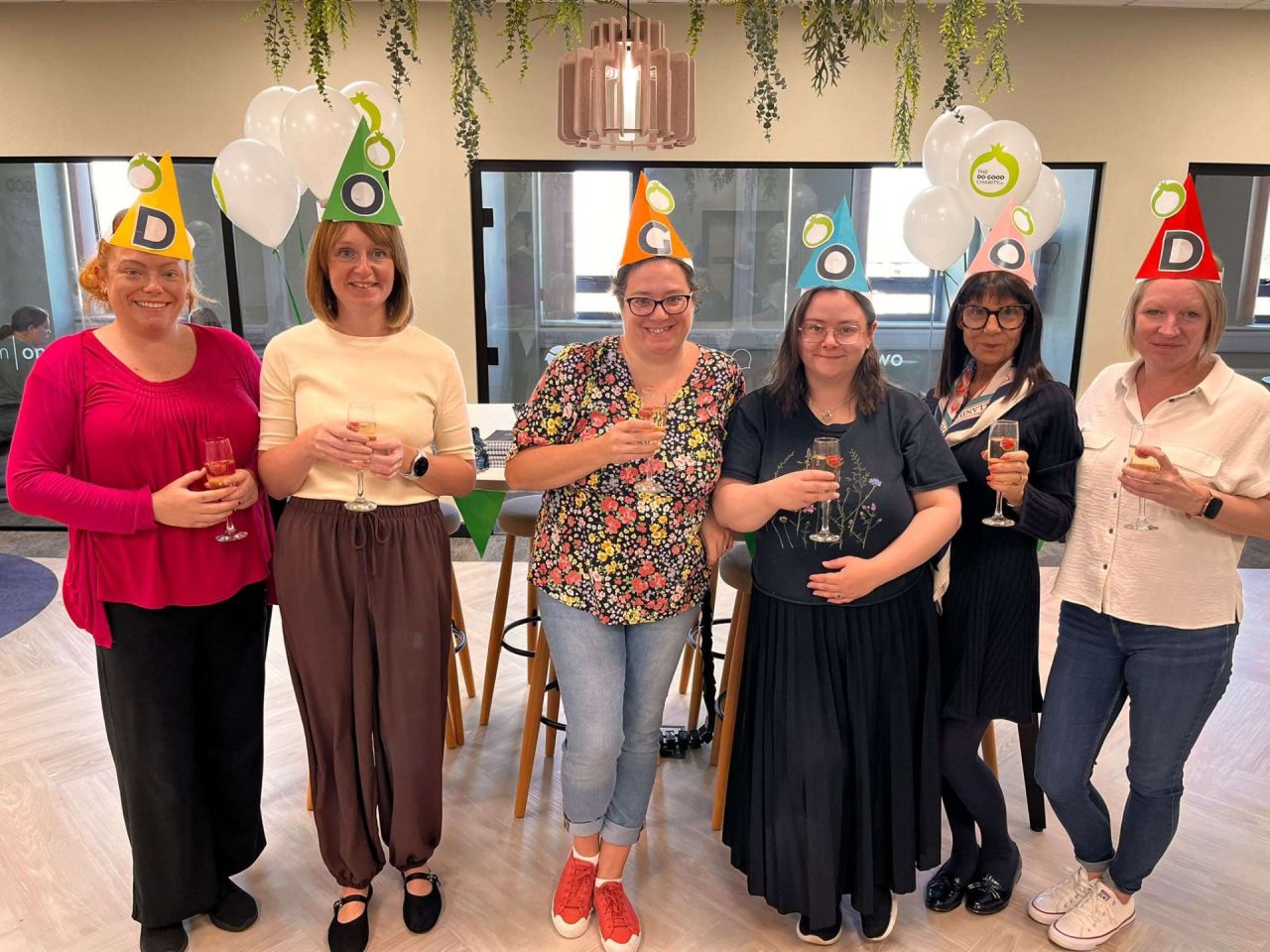
Paul: But in terms of discernment, it really was important, because there was value in the heritage that we have. I mean, massive value. A worldwide network. And we knew that change was going to be difficult, particularly for brothers who have invested their whole lives in this, and then we’re moving away from being called St John of God. What we’ve had to say to them is that it’s there in our heritage, it’s there in our mission, we talk about it all the time. We’re still adding stories to the legacy of John of God.
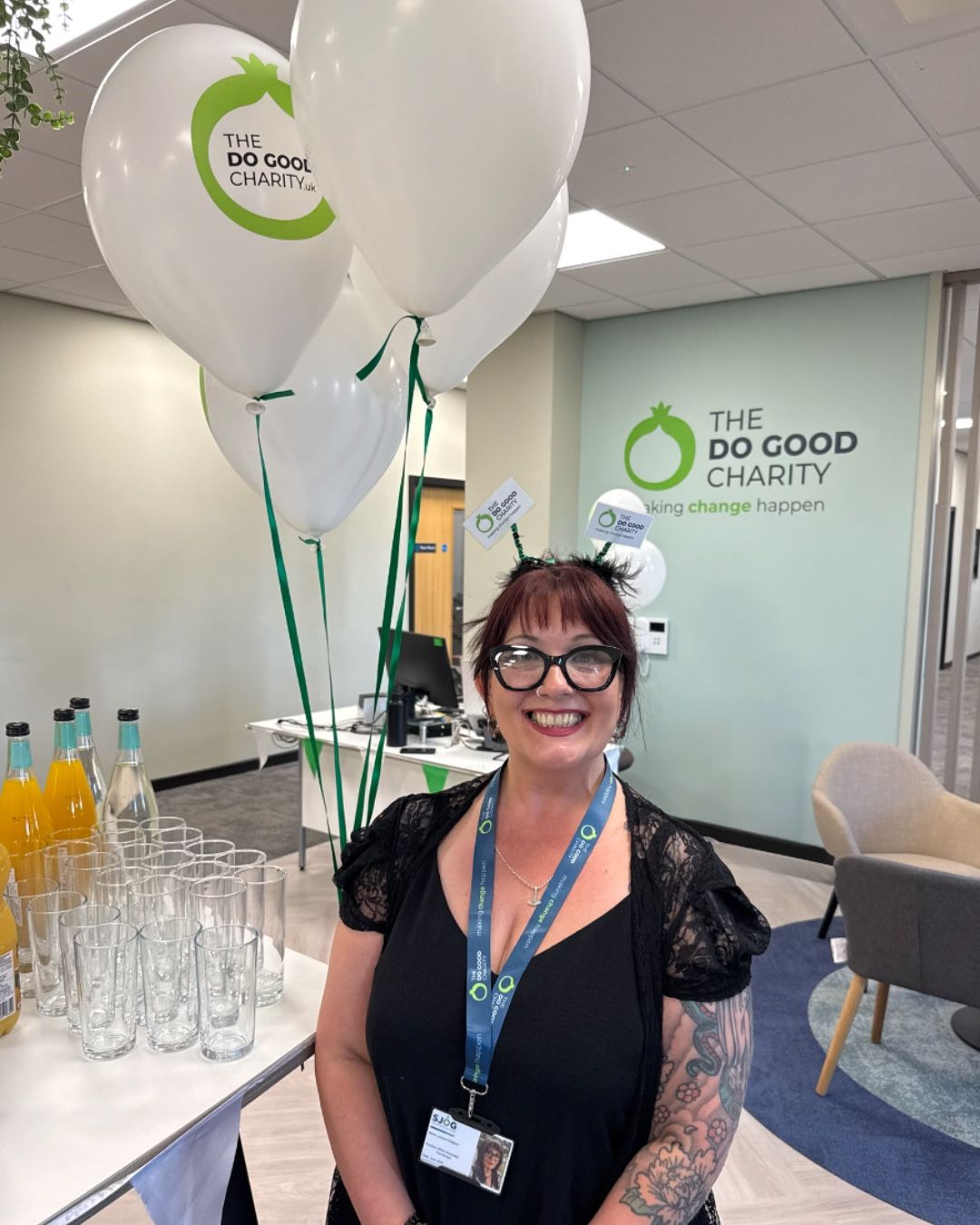
We’re only six weeks into this name change, so there’s still work to do on that. But it doesn’t change the mission we have. It’s just a clearer way of doing it.
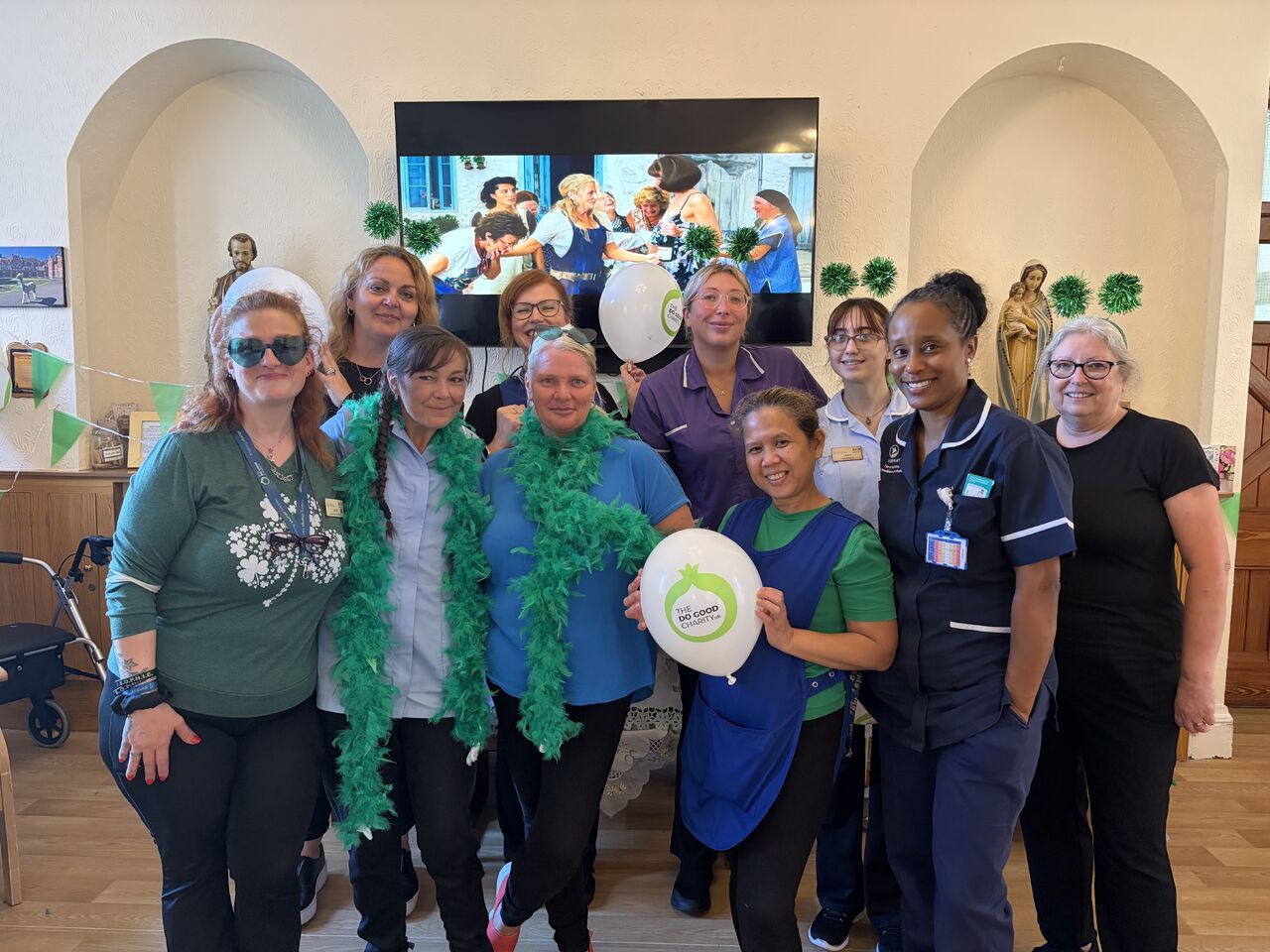
The other thing is that Catholics are a minority of the UK population. When we have people coming to us and saying, “We haven’t come to access your service because we thought you were only for Catholics,” or people who weren’t sure whether they would be welcome, that’s important for us to hear. We’re a really diverse organisation. We have 40 languages spoken as a first language among our colleagues, and a lot of that is down to our modern-day slavery services, but its deeper than that.
We have a service for disabled people in Hertfordshire.You know, we have colleagues from Tibet and Ghana and Australia and the UK and elsewhere. They had a baby shower recently in this service and I think there were twelve nationalities gathered around, with dishes from around the world, because that’s what they brought to bear.
So I think we need to hold on to our Catholic identity, but also make sure that our Catholic identity doesn’t become a barrier to us delivering on our mission. Because the mission, our purpose, that’s our reason for being.
Measuring what matters: the Goodness Metric and charitable impact
David: That’s really helpful. You’ve spoken a lot about this renewed focus on impact, and we’ve been lucky enough at CSAN to work with some of your colleagues on the Goodness Metric. I’m curious. Tell us a little more about how that came about, and how that’s connected to this broader strategy of yours. Why is it important that charities demonstrate the impact they have, as opposed to just knowing about it themselves?
Paul: Okay. Can I just…I’ll come back to that question, because you’ve brought up the Goodness Metric.
In terms of the name we’ve chosen, we have the Do Good Charity. We have the Goodness Metric. We have the Good Shepherd in Wolverhampton as part of our family. We run recruitment programmes called Good Work. John of God said, “Doing good does you good.” And we also run, on John of God’s feast day on the eighth of March, Do Good Day, which we’re looking to broaden that out so it’s a much bigger event than it was previously. There’s a lot of good! So in choosing the name, we were already 90% of the way there!
In terms of impact, why is impact important? I think it comes back to how we use every pound we have for the maximum benefit. Because it comes back to that purpose and mission. Every pound that somebody entrusts us with as charities we should be spending to do good. And we should maximise the good that we do with that pound. The way we can show that is through measuring the impact of what we do. And then we can use the impact measurement we have as a strategic tool to help us do better at helping the people we’re here to help.
So it all comes back to how do we deliver better on our purpose, and what is it that we need to measure to be able to do that? That’s the point of the Goodness Metric. How do we deliver better on our purpose, and how do we deliver more effectively on it?
There is a whole movement around effective altruism, and I don’t buy into all of effective altruism, but I think there is something in there around, if we’re entrusted with a pound, we need to spend it where it can have the maximum benefit.
David: Yeah, that’s very wise, I think. And I think it promotes a level of excellence and scrutiny that sometimes feels like a luxury in the charity sector. We’re very operationally heavy. What I enjoyed about the Goodness Metric was the opportunity to reflect, and to analyse and scrutinise what we’re doing, to map out those theories of change, those lines of impact, and see, okay, here’s what’s going well, and here’s what’s not going well. What can we do about that? But I guess there’s also, at times, a pressure from funders or other bodies to make obvious the connection between, if it is a donation, and an outcome.
Paul: Yeah. And I think we have a responsibility as Catholic organisations as well. There is the universal destination of goods, so if we have things, how can we use them for the good of all? You know, they’re not ours. They’re given to us so we can do good with them. So let’s do the maximum good with them.
Catholic social teaching and a mission to the margins
David: Yeah, absolutely. Speaking of Catholic social teaching, you’ve touched on the fact that you work in various ways with, as you put it, the “1% of the 1%”. How much of that is motivated by principles like the preferential option for the poor and your Catholic identity? Why is it that SJOG, or the Do Good Charity, specifically works with these groups, some of the most marginalised people in society? Are other charities less willing or less able to work with these individuals, and why do you think that is?
Paul: Charities are bound by their articles of association. The articles of association tell them what they can and can’t do, and tell them where they need to focus. Ours are really broad and say effectively that we can do what we want, as long as we’re being of benefit to the world and as long as what we’re doing is aligned to Catholic social teaching. So we get to choose.
When the option came up in 2019 to do more work around modern-day slavery, even though we were primarily a disability charity, we said, “Yes, let’s go ahead and do that,” because we could see the need and respond to the need. And depending on where you are in the world, the brothers will provide different services. In Barcelona, we run a major children’s hospital. In China we have a hospice. In South America, there’s work in schools with gangs and getting young people away from gangs. In Malawi, it’s about street children and how we support children on the streets. Depending upon where we are in the world, we meet the needs that are there. And I think that’s a really wide, a big pitch for us to play on.
I also think there is something around where we sit within the third sector. Governments provide support for everyone, and governments tend to provide support for everyone for the bits that markets and businesses can’t make money out of. And then we come along and we plug all the gaps in between. And I think the bits, the gaps, are where the people who are marginalised are. They’re the people at the edges.
And it fits with John of God’s approach that everybody is welcome. It fits with our three values in the organisation. We have hospitality as our primary value. We have compassion, and we have respect. And respect is really about protecting a person’s inherent human dignity. For us, it’s a case of everybody having the same human worth. So why would we not choose to be of help to somebody if we can?
I think the challenge for us is that the need is so large that we can’t meet all of it. And that’s the conversations we’ve been having about partnerships and supporting other organisations to have a bigger impact. It’s a different approach to meeting the need we see out there. But in terms of solidarity, in terms of subsidiarity, in terms of the preferential option for the poor, in terms of the wider Catholic social teaching, it’s all there in the work that we do.
Working together for the common good
David: Yeah, I can see that. Looking to the future, we’re in pretty challenging economic times already, and I think most charities, speaking across our network, are certainly feeling the pressures. This is a slightly challenging question, but how can we respond perhaps more shrewdly in these more difficult fiscal and economic times? And what kinds of innovations could the sector be thinking about?
Paul: I think we need to be getting better at working with each other. I think there are too many charities. And I think that if we’re looking at saying, “How can we be of most help?”, sometimes that might be looking over and going, for every pound that we spend, is somebody getting more benefit for their pound? And therefore, should we make sure that the money goes in that direction? I think there’s some of that work to do, and that’s a question for us as well. That’s not just saying, you know, we do things well, so it should come to us.
It does almost come back to Catholic social teaching again, that we’re all working for the common good. In terms of participation and solidarity, there is something about how we can work together to achieve more. I heard an example of ten organisations that came together from a local area to seek funding. If they’d come individually, they might have received ten or fifteen thousand pounds each for the particular projects they wanted to run. But because they came as a group, they were funded to the tune of one and a half million pounds, because they could explain the difference their work would make in their area, and how working in one area would compound the benefit of each other’s work.
So I think there’s that bit around needing to be a little bit less precious, and a little bit more focused on how we can work together to achieve what we need to do. That solidarity piece, I think, is really important.
David: It’s music to the ears of CSAN as a network organisation! Our role is key in that, and part of our headline strategy for the next four years is promoting more collaborative working within our network. I think a huge part of that is actually, as you’ve touched on, this internal disposition of being slightly less precious about who has ownership of what. Because I did an audit of things that were going on in our network recently and found a bit of duplication. So we’re now having a few interesting conversations to encourage people to work together rather than apart.
Paul: Yeah, and it’s also being clear on what you can do and what you can’t do. We did the piece of work with CSAN around Homes for Ukraine, and that was a good example of where we were able to draw on our particular strengths and connections. But there’s also an importance in knowing where your expertise lies and where somebody else might be better placed. I think that ability to say no, knowing when you should be doing something and when you need to get out of the way and let somebody else do it, is really important.
I also think we have networks in place, and there’s a real strength in our Catholic identity. We should be doing more work together to put together bigger bids. Because if we can go and get three hundred or four hundred thousand pounds from a bid, that’s one thing. If we go as a network and can bring in ten million pounds to support a particular initiative across the country, why wouldn’t we?
And that’s not pie in the sky. When I was at Catch22, I ran Realising Ambition, which was a £25 million funded programme working across the four nations of the UK, diverting young people away from pathways into offending. That was working in 72 communities across the country.
The mechanisms are there. We have the experience within the network. We’ve got some really great people within CSAN and within the network. And I think that question around, a little bit of Marxist theory, “From each according to their ability, to each according to their need”! I think that bit around how can we work together to deliver more, and to deliver more benefit, is the piece I’d be really interested in doing more work on.
The dignity of work and helping colleagues flourish
David: That’s definitely helpful. I was thinking briefly about one of our priorities, advocacy-wise, which is around the dignity of work, with a particular focus on young people, but also a broader focus. You have quite a large network of employees, and you’ve thought quite a bit about this. What makes a charity a good place to work? And what can we do as charities to support young people? I know it’s not specifically your remit, but speak a bit about the dignity of work, working in a charity, the challenges of recruitment, and what we can do to alleviate some of the pressures on young people.
Paul: We don’t have a problem recruiting. We just don’t. We’ve got around 570 colleagues in the UK. I think we’ve got maybe a handful of jobs, three or four, around the country, and most of the ones we’re recruiting to are because we’re doing new areas of work and growing.
The reason we don’t have a problem recruiting is, firstly, we’re a Real Living Wage provider. I think that’s important because it’s an exchange, and understanding that basic exchange between work and pay is important. So that’s one thing. I think the other thing people want is to see that it’s an organisation they feel they can belong in. And as I said, hospitality is all about belonging. So that recognition that we recognise the beautiful diversity of all the people in our organisation is important.
And then I think the third thing is that we’re really strong about talking about the fact that when people come to us, if they stay two years, that’s great, if they stay twenty years, that’s marvellous, but in the time people are with us, they should flourish. And we invest in people’s human flourishing.
I think that if you get the pay right, you get the fact that people feel welcome, and then you also give the opportunity, and you can demonstrate that opportunity, that makes a difference. So we have a commitment in our new strategy, which has just been signed off, that 95% of our colleagues will achieve a nationally recognised qualification with our support. That may not be provided by us, but we may be funding people to do nationally recognised qualifications elsewhere.
Currently, we’ve got around 70 colleagues doing apprenticeships, and that’s from Level 3 to Level 7, so master’s-level apprenticeships. We think everybody should flourish.
And then we talk to people like adults even young people, you know, who come with lots of enthusiasm and the right attitude, and we can then support their growth in skills and knowledge, so that people can go on and do wonderful things elsewhere. And if they leave us and they say nice things about us, then it’s all about us contributing to that common good, the common weal. Which, once again, comes back to Catholic social teaching.
A pomegranate, a legacy, and an invitation
David: That’s a wonderful answer. I’m curious, looking at your background there, is that a pomegranate symbol?
Paul: Yeah, yeah.
David: Talk me through that. Why the pomegranate?
Paul: Why the pomegranate? John of God was in Granada. The pomegranate is the fruit of Granada. It’s everywhere. If you go to Granada, it is everywhere. So it’s another link back to our heritage.
And the pomegranate is also a symbol of charity, because when a pomegranate becomes ripe, it splits open and spreads its seeds around the surrounding area for the birds and the animals and what have you to come and get. And then it’s also known as the king of fruits because it has a little crown! So, you know, we like the pomegranate.
The pomegranate has been part of the symbol of the Hospitaller Order of St John of God, and also of our charity, for about 300 years. Previously, John used to walk around the city of Granada with a staff, a very distinctive staff, which is in the museum in Granada, and also a basket. So the symbol of the charity for the first hundred years or so was a basket and a staff, until they rebranded before it was called rebranding!
David: Oh, that’s wonderful. I don’t think I have anything else, unless there are things you particularly wanted to communicate to our network, with that audience in mind?
Paul: I think the thing we would say is that, as a charity, we’re really keen to work in partnership. Because we think that bit around solidarity, that bit around working together for the common good, is something we should be doing.
And as a network organisation, however we can help, it comes back to the very first things we were talking about. “Welcome, come on in. How can we help?” That bit around how can we help sits very, very centrally.
It’s why we called the book of our transformation from 2018 up to about 2022 We’re Here to Help. And there’s a reason for that. It underpins everything we do.
David: I think that’s a really powerful message to end on, particularly for the CSAN network. We’re very much of a similar mind when it comes to working with others. There’s no point competing where we can collaborate, bringing together what we have, discerning what’s already there, and working together to address the gaps. So I think there’s a real opportunity for us to continue that conversation and to find ways of working together to achieve more.
Paul, thank you very much for your time and for sharing so much with us.
Paul: Thank you, David.