

A Hopeful Vision for the Renewal of the Church
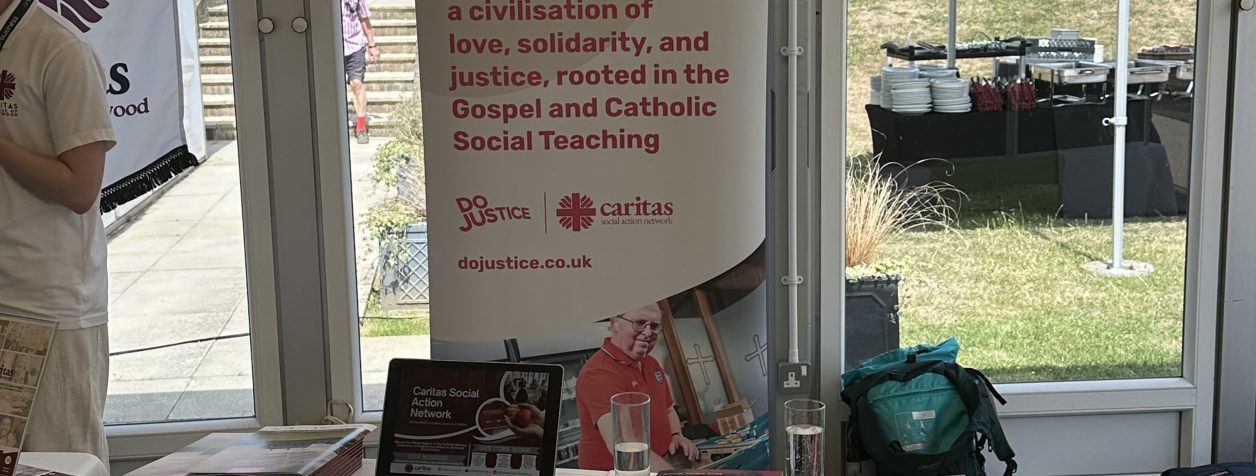
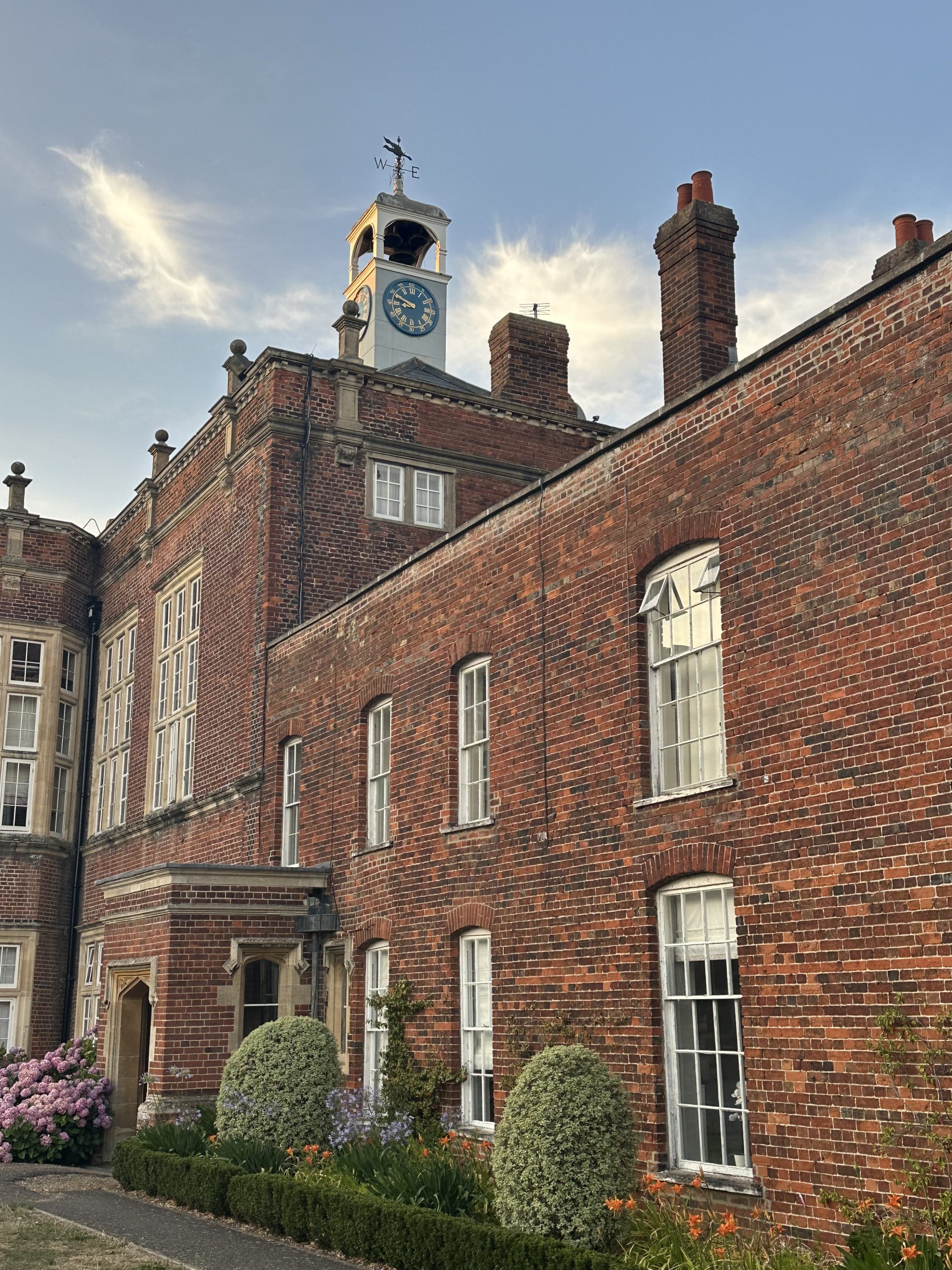
On 10–11 July, Fiona Ranford, CSAN’s Senior Migration Officer, and I attended Faith in Action: Justice, Peace and the Future of the Church, a two-day festival organised by The Tablet and New Hall in Chelmsford.
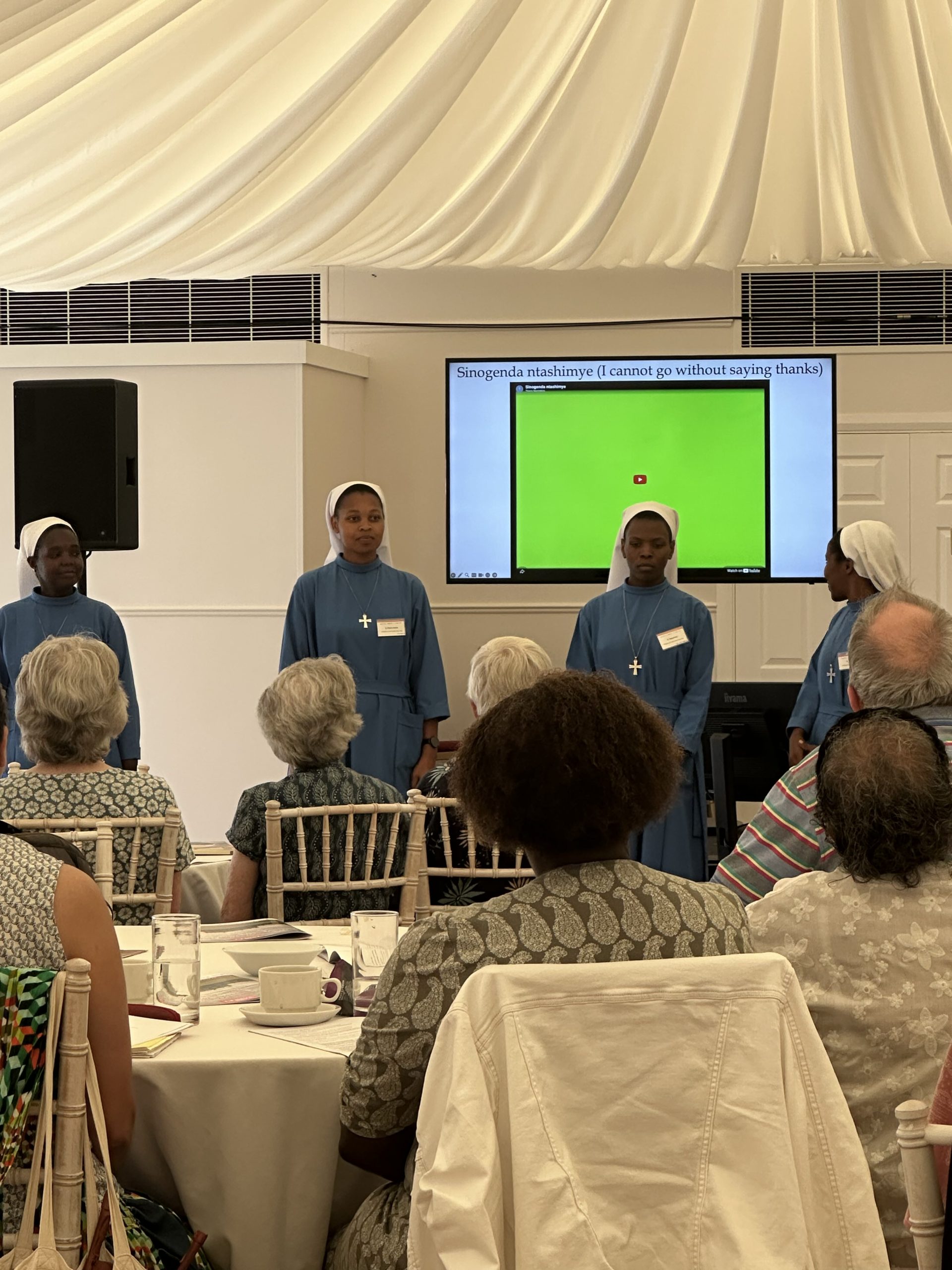
The festival brought together people from across the UK and beyond to pray, reflect and act for justice, peace and human dignity. CSAN joined representatives from religious communities, charities, universities, theological institutes and reform organisations including Pax Christi, CAFOD, JRS UK, Caritas Brentwood, SPICMA, St Elizabeth’s Centre, St Mary’s University, the Margaret Beaufort Institute of Theology and the Sisters of St Joseph of Peace.
The two days explored distinct but connected themes. Friday focused on faith in action, justice, peace and Catholic Social Teaching. Saturday considered women, leadership and the future of ministry. Across both days, the programme combined prayer, keynote addresses, panel discussions, workshops and less formal conversations.
A Programme for Renewal
Professor Tina Beattie opened the festival with a keynote entitled The Gospel in Public Life: Catholic Social Teaching in Contemporary Society.
Although Tina is not usually described as a systematic theologian, I was struck by how remarkably systematic her vision was. She offered what seemed to me a programme through which the Church of the twenty-first century might undergo a genuine purgation and renewal. It had three closely connected dimensions: ecclesiology, anthropology and liturgy.
First, the Church must become more synodal. Mission and evangelisation in the modern world must proceed through dialogue, listening, discernment and patience. For CSAN, this strengthens the case for becoming the synodal Church we aspire to see.
The way we interact with our members, organise events and facilitate formation must be woven through with a process of discernment. We must listen for the Holy Spirit in and through the people with whom we work and those whom our members accompany.
This synodal ecclesiology leads to a renewed anthropology. It helps us attend more faithfully to the dignity of the human person and the principles of Catholic Social Teaching. It also allows us to approach suffering in richer and more meaningful ways. People are not simply problems to be solved. Sometimes we are called to sit beside someone in suffering, without easy answers, contemplating the mystery of their life with them and remaining together in community.
The third dimension was liturgy, the place where ecclesiology and anthropology come together. In worship, the sacramental Body of Christ and the corporate, ecclesial Body of Christ meet in the same space.
This is not an argument for returning uncritically to older liturgical forms. It is a call to recover the festal character of the liturgy and its attentiveness to mystery. Our worship needs beauty, celebration and participation, but also contemplation, togetherness and silence.
A renewed theology of the People of God could help people make this connection more deeply: to experience their own dignity as members of Christ’s Body and to recognise the dignity of their siblings in Christ. That encounter can inspire solidarity, moral conversion and a desire to share the gifts of renewed life with others.
Tina’s vision made me hopeful. Synodality is sometimes presented as a threat to Catholic identity, liturgy, the sacraments or evangelisation. I came away believing that it could renew all of them. It could help purify the Church of clericalism, institutional defensiveness and managerial ways of treating people, while revitalising the human person, the liturgy and the missionary life of the Church.
The Boundless Scope of Christian Love
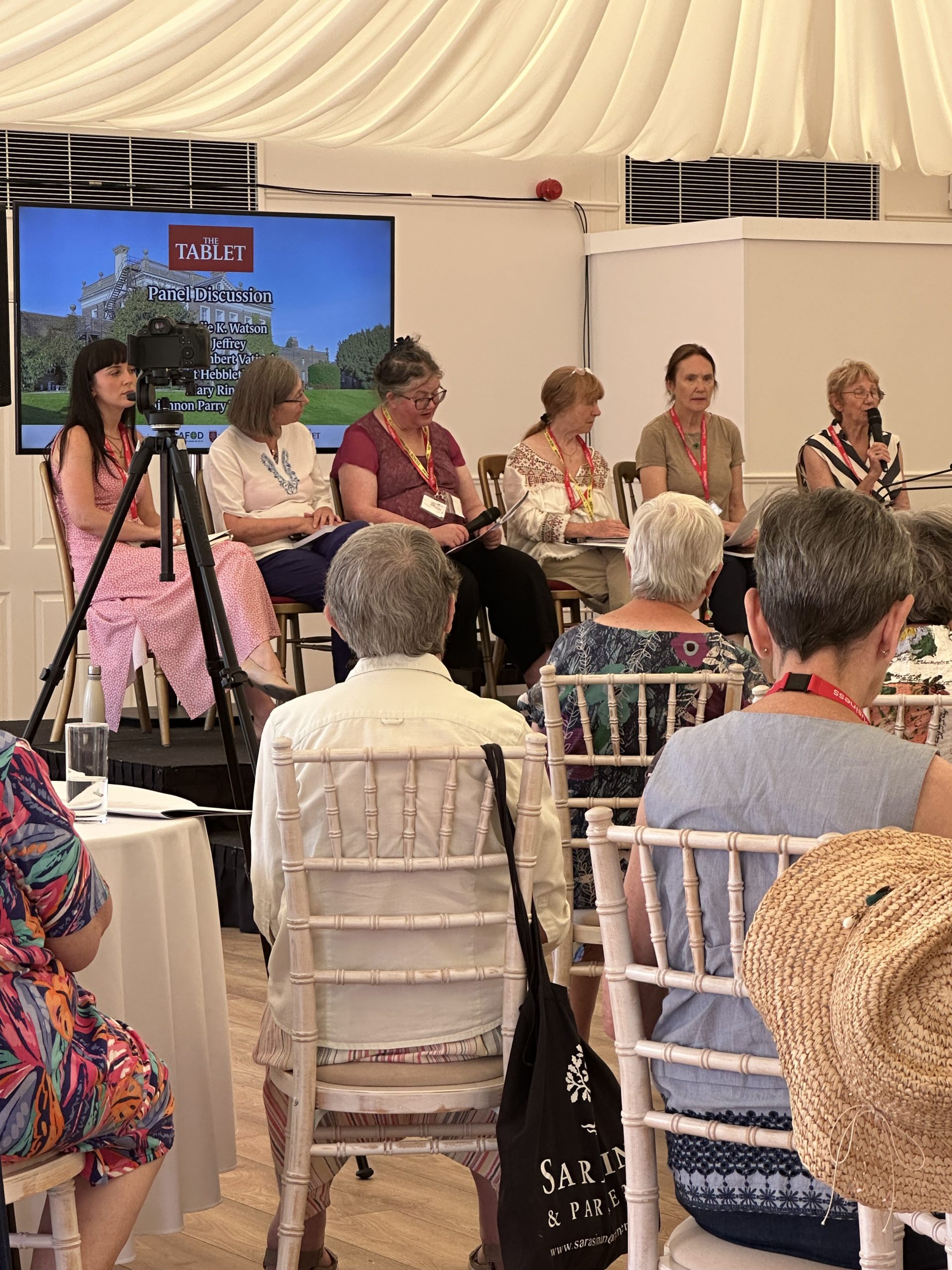
The panel Faith in Action Today developed many of these themes.
Rhiannon Perry Thompson, a language and animal activist, explored the relationship between biodiversity loss and language extinction through Pope Francis’ understanding of integral ecology. Indigenous and local languages contain centuries of ecological knowledge. A language is not merely a system of communication but an “ecosystem of thought, memory and spirituality”. When one disappears, humanity loses a distinctive way of encountering creation and understanding its Creator.
Her contribution expanded the festival’s reflection on the Body of Christ towards the whole created order. Without confusing God and creation, we can recognise that everything created exists through God’s sovereign act of being, shaping, loving and nurturing.
There can be no arbitrary boundary to Christian love. We are called to love our human neighbour, but our love cannot stop with humanity. We must also care for the land, climate, animals and ecosystems upon which human life depends.
This strengthens CSAN’s advocacy for a society in which everyone can flourish in England and Wales. Human flourishing cannot be separated from the flourishing of our land and climate. We are deeply interconnected.
It also offers a Christian response to some of the alienation that fuels contemporary populism and nationalism. Modern society has too often imagined people as isolated, hyper-individualised and atomised beings. An incarnational faith restores us to relationship with God, neighbour, community, culture, history and creation.
Pat Gaffney, former General Secretary and now Vice-President of Pax Christi, offered a related challenge through the Christian commitment to nonviolence. She questioned the assumption that war is inevitable and called Christians to make peace concrete: shaping how we vote, allocate resources, educate, speak and respond to conflict.
That challenged me to examine violence not only in warfare but in the language and behaviour through which we cause harm to people around us, whether deliberately or not.
Peacebuilding must also shape how we mediate disagreement. When people pursue destructive agendas, our first response should not be condemnation, ostracisation or further polarisation. We are called to reach out with love, openness and a willingness to listen and enter dialogue.
Solidarity extends beyond those already on our side. Ultimately, there can be no “other” whom we simply fight, only a neighbour waiting to be encountered, befriended and discovered.
Women, Work and Participation
The second day addressed women, leadership and the future of ministry. Miriam Duignan gave a forthright keynote on the contested question of women’s ordination, followed by a panel asking: The Global Church: Whose Voices Are Missing?
For me, the broader question concerned how the Church can create opportunities for women and ensure that their voices, gifts and experience shape its life at every level.
Men have recognised pathways of formation through the priesthood and permanent diaconate. The latter can coincide with parish involvement, professional work, marriage and family life. Women do not currently have equivalent pathways through which their contributions can be formed, recognised and sustained.
There is much the Church could do. Women could be offered mentorship and leadership formation, including serious study of theology, philosophy and Scripture, empowering them to lead faith formation within parish communities. Parishes could fund training in different spiritual traditions, enabling more women to serve as spiritual directors.
Tailored formation could also help women use their existing professional gifts for the common good of the parish through properly recognised and remunerated ministries. A healthcare professional might become a parish nurse, running a drop-in clinic or advice service. A trained counsellor or psychotherapist might provide pastoral support rooted in the life of the parish.
This connects directly with the Dignity of Work, one of CSAN’s priorities and the subject of our recent publication, Dignity of Workers in the 21st Century.
The Church relies heavily on women’s labour, much of which remains hidden, unseen, unpaid, underappreciated and insufficiently recognised. That can itself become an affront to the dignity of work. Genuine participation requires more than warm words: it requires investment, formation, responsibility, authority and fair remuneration.
A Church more visibly shaped by women as well as men would benefit everyone. It would challenge clericalism and unhealthy forms of male domination, while allowing women, men and children to encounter more fully the paternal and maternal dimensions of God’s loving care.
An Intergenerational Church
Above all, the festival was a celebration and a source of hope.
It demonstrated the power of intergenerational ecclesial alliances. Through attentive listening, I absorbed a great deal of wisdom from older laypeople and religious. They often know what needs to be done and remember what has already been tried and why it failed.
Young people can bring energy, passion and a willingness to act, but we benefit enormously from the counsel of people with decades of experience. The Church’s renewal will require these generations to listen to one another and work together.
That, perhaps, was the festival’s deepest lesson. A synodal Church does not discard its past or fear its future. It brings generations together in prayer, discernment and action, trusting that the Holy Spirit continues to speak through the whole Body of Christ.
As the final plenary put it, our calling is one of faithful disagreement and hopeful action: remaining in communion, listening deeply and finding the courage to continue the mission of faith in action.
This article was written by CSAN’s Communications and Programmes Officer, David Byrne.